About Us
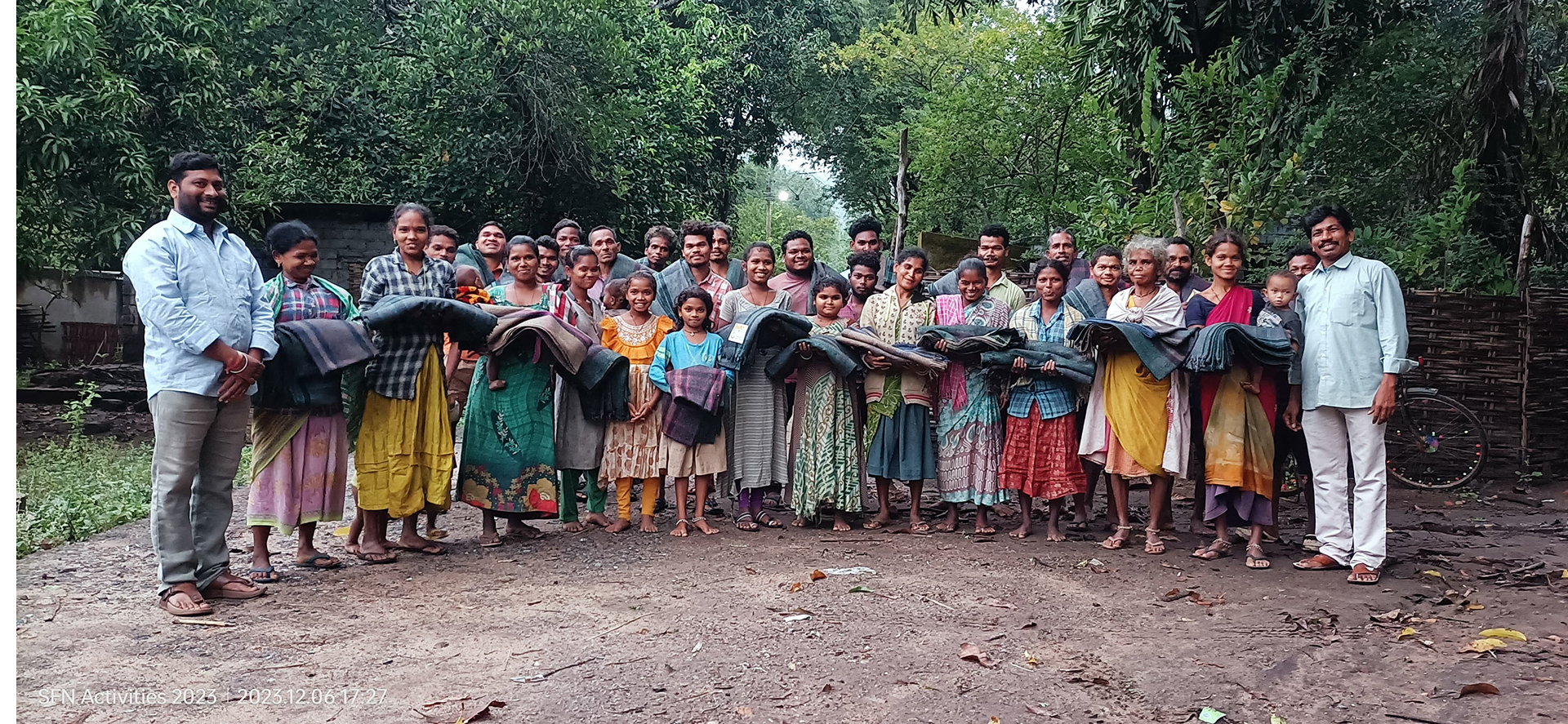
Samaritans for the Nation (SFN) is a non profit organization registered under the Indian Trusts Act, 1882. Trust Registration Number: 72/IV 2021 with vaiid 12A and 8OG registrations.Registration under the Ministry of Corporate Affairs (CSR00023363), NGO Darpan ID:TS/2021/0293221, working with tribal and vulnererable communities in the agency regions of Andhra Pradesh, Chattisgarh, Orissa & Telangana, dedicated to building a holistic and self-sustainable environment for tribal & rural families.
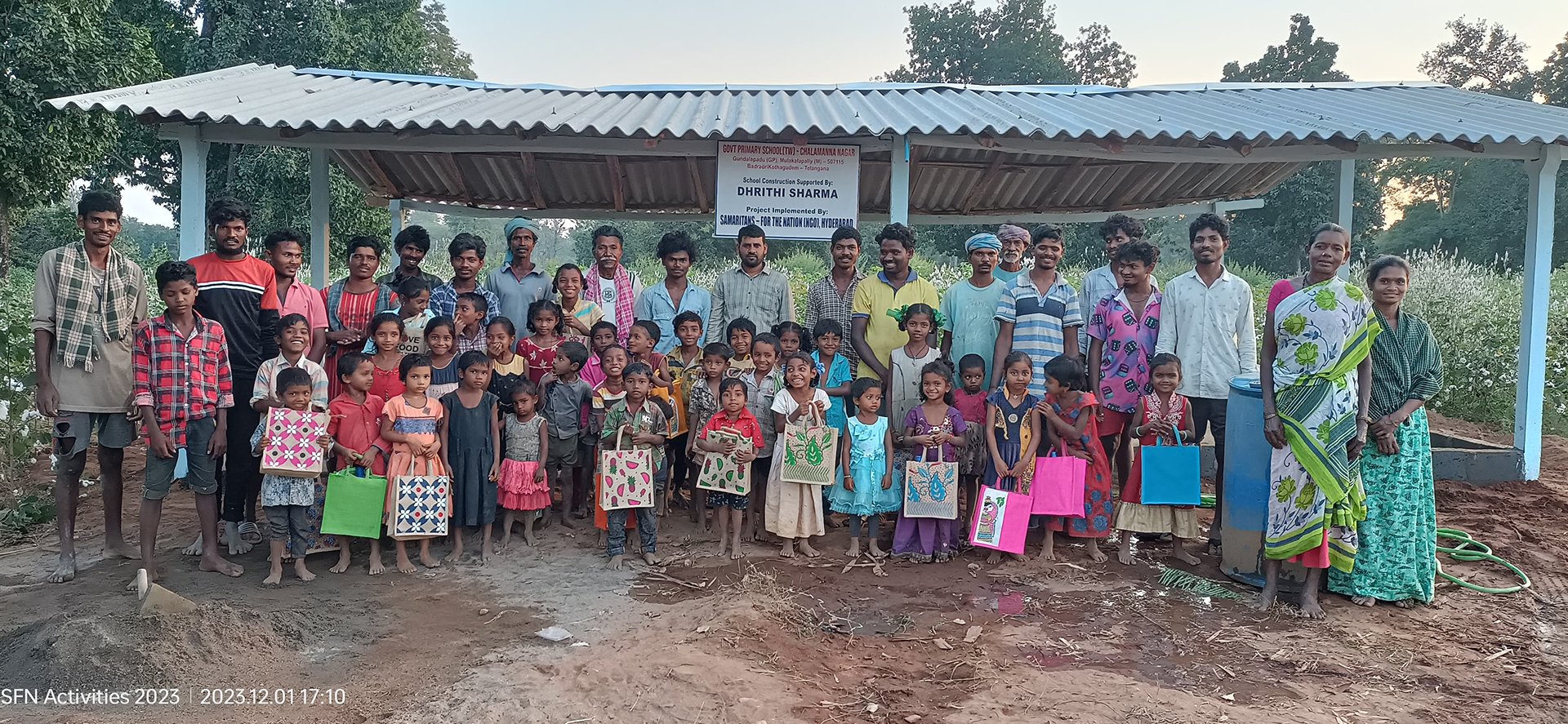
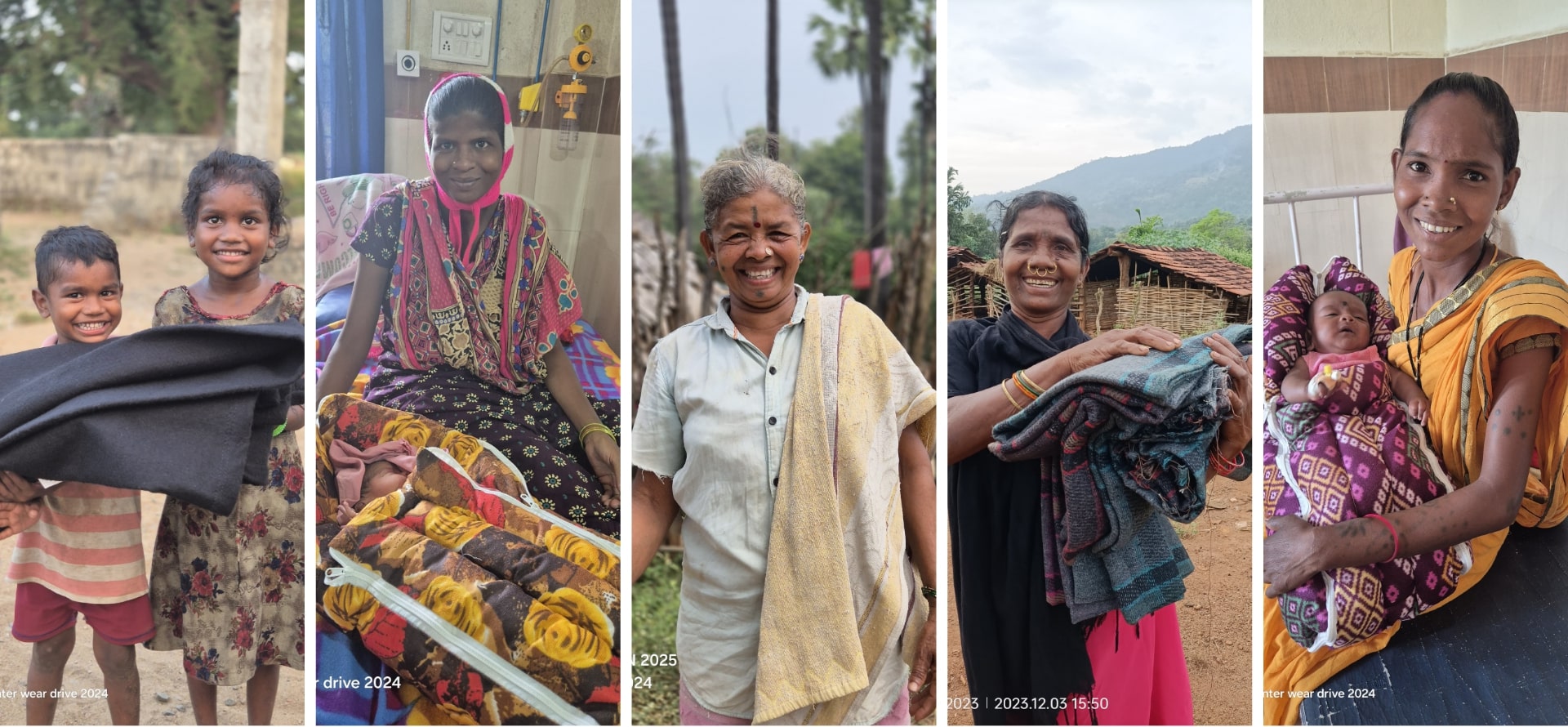
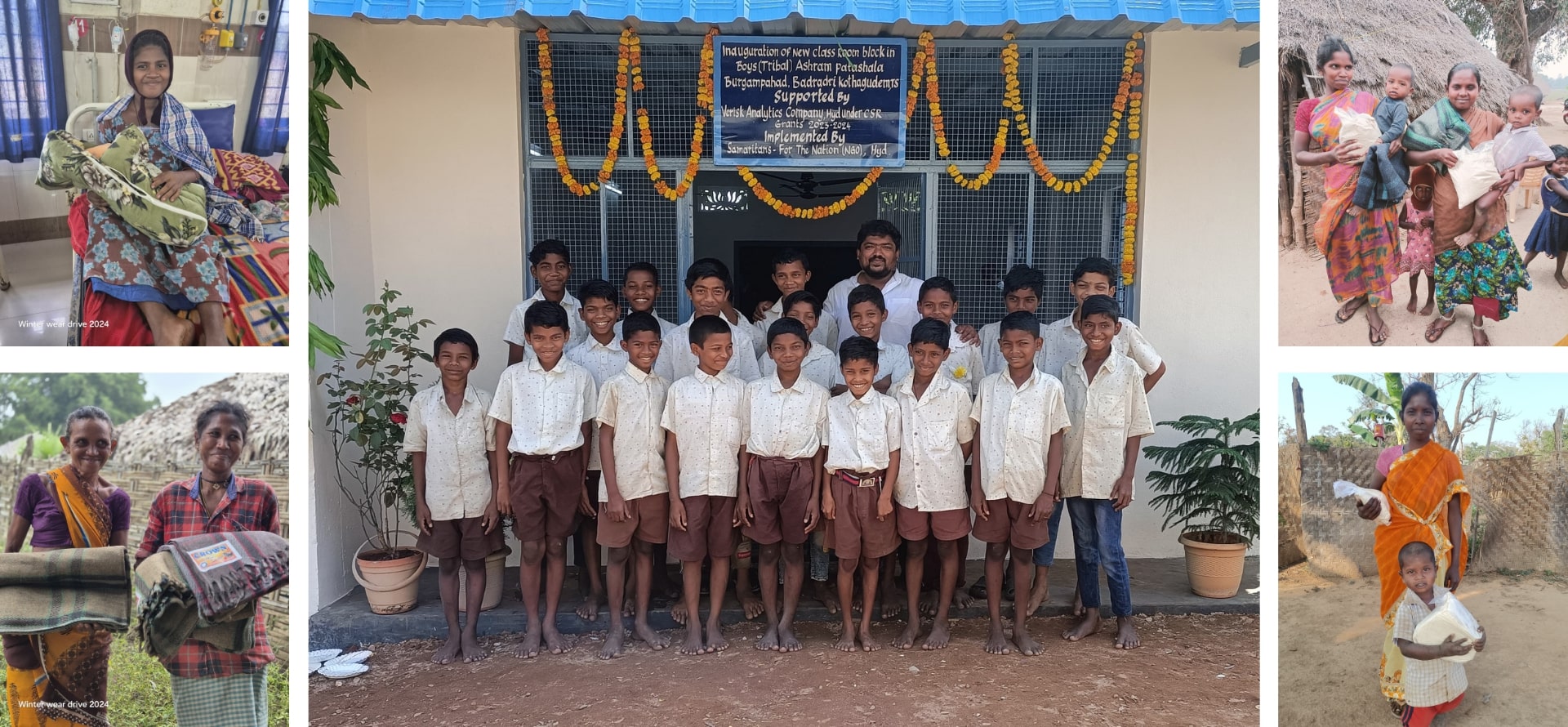
Our core work focuses on healthcare, education, livelihoods, community development, and disaster & emergency relief, addressing the essential needs of underserved populations. We work primarily with Primitive Vulnerable Tribal Groups (PVTGs) and other marginalized tribal communities.
Our Vision
A future where every tribal child and community has access to quality education, healthcare, and opportunities for holistic development—enabling them to thrive with dignity and equality.
Our Mission
Guided by care, compassion, and commitment, we aim to transform the lives of tribal and rural communities by strengthening healthcare systems, empowering frontline workers, promoting education, and fostering sustainable development across remote regions.
Why We Exist:
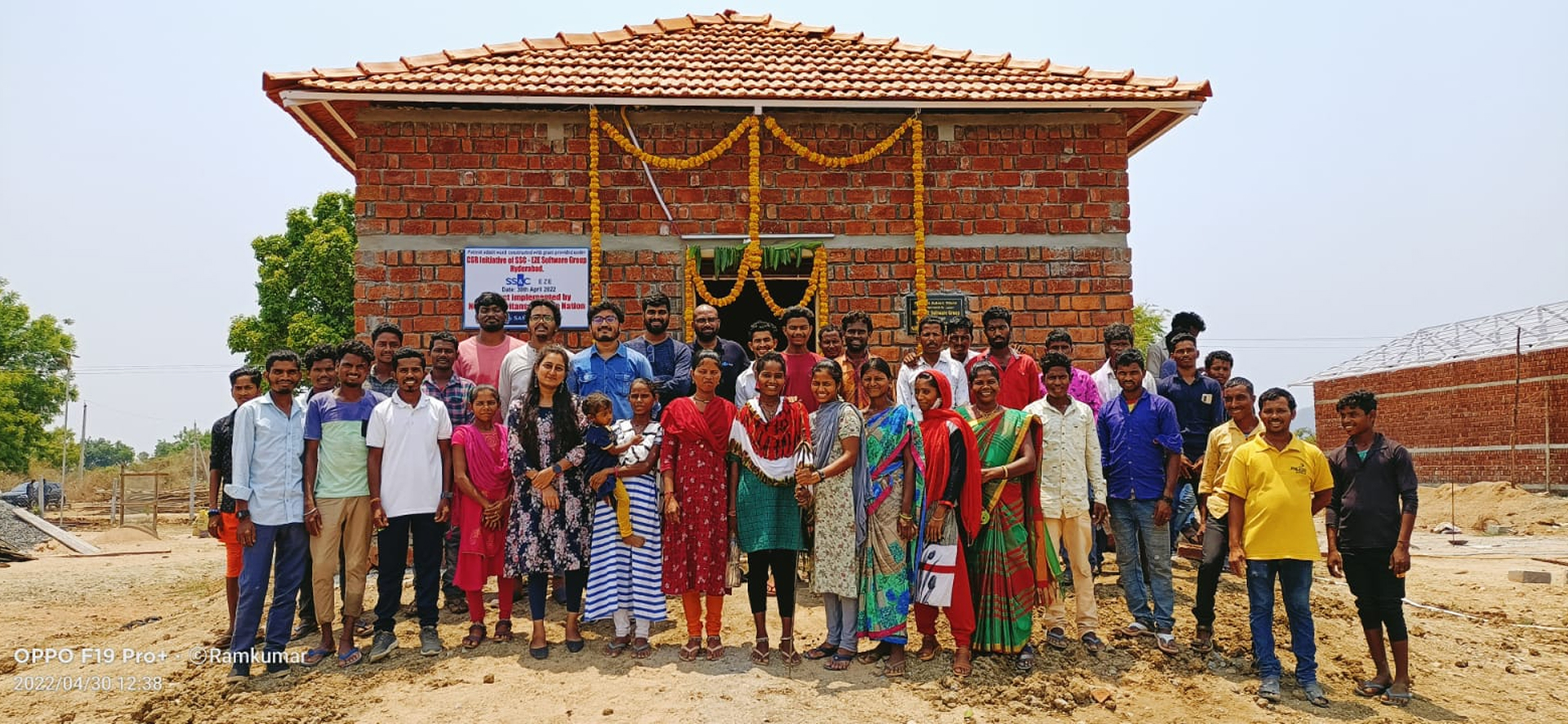
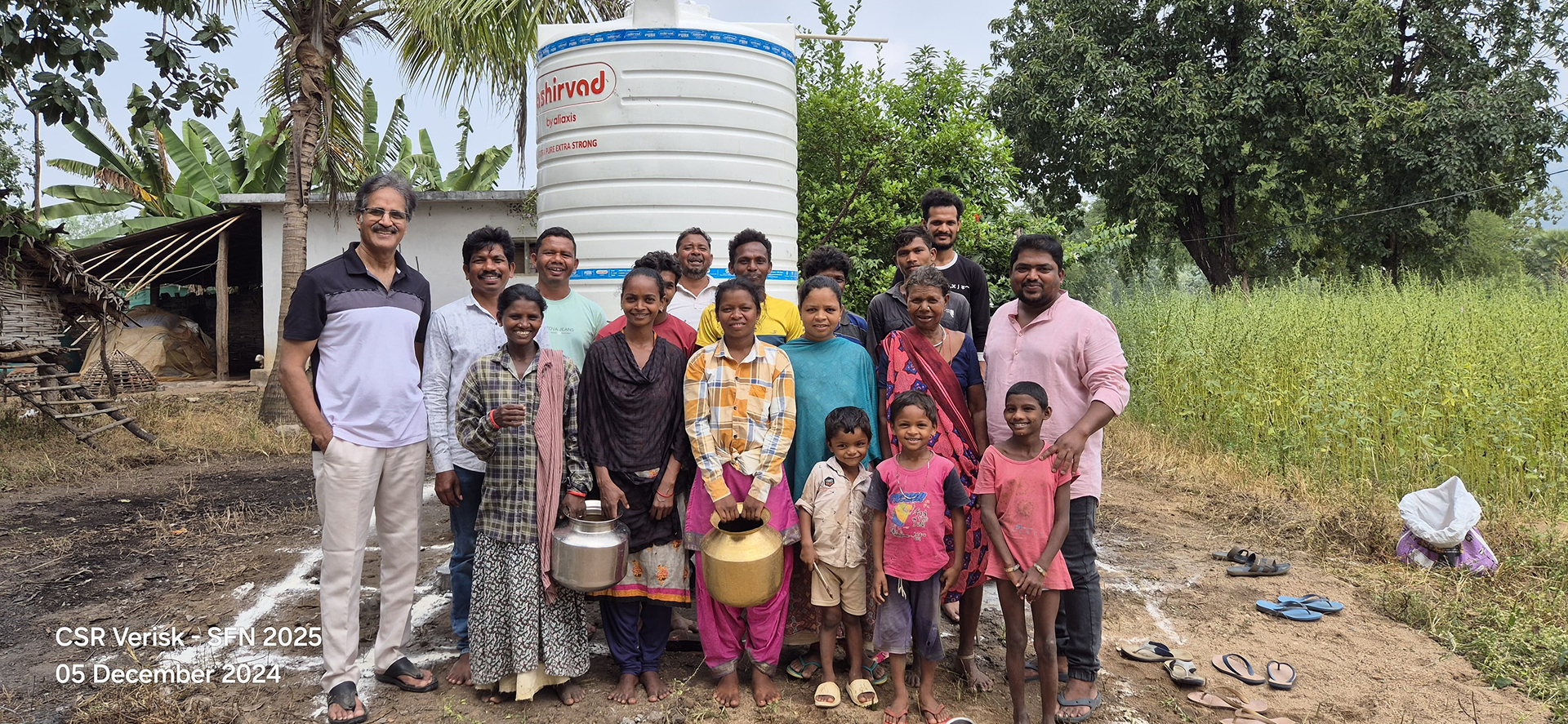
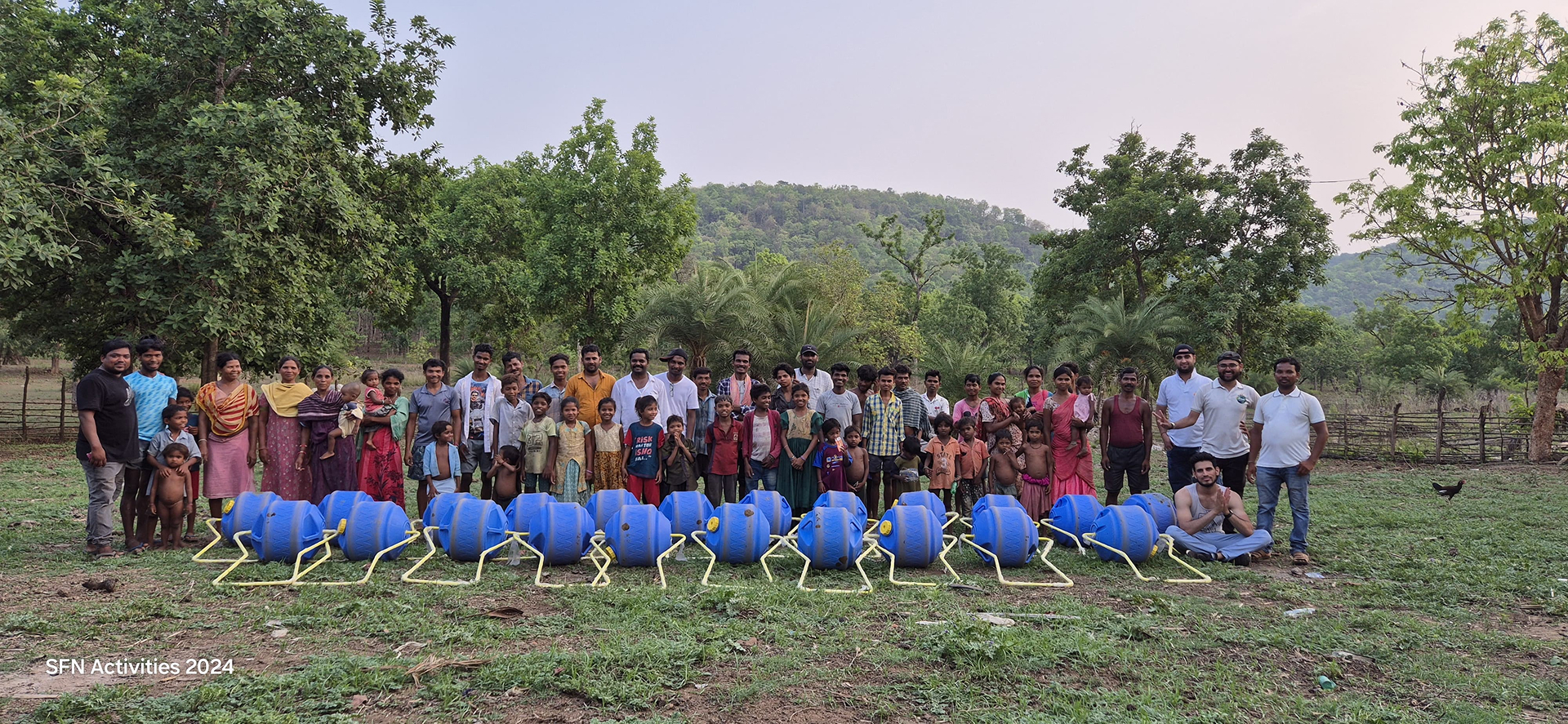
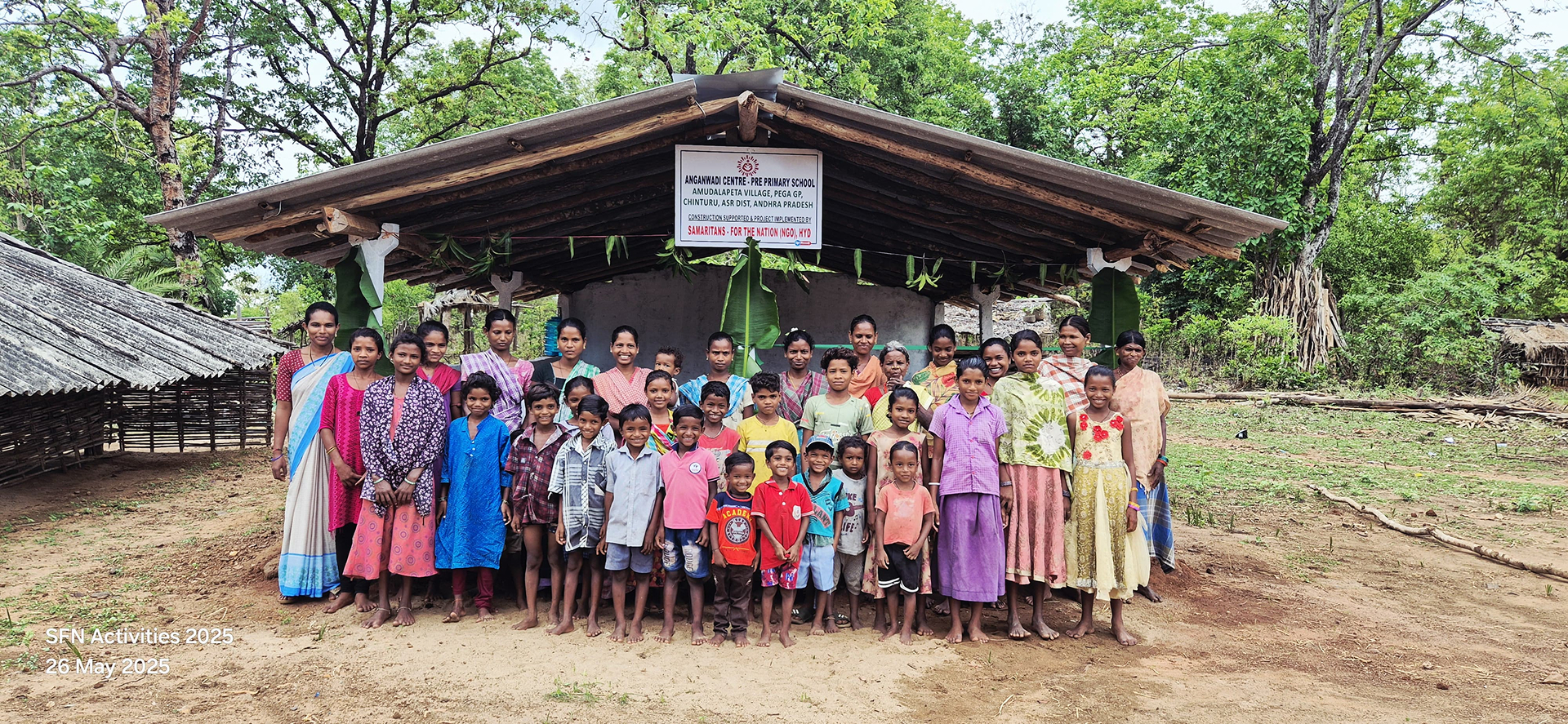
For generations, tribal communities have lived in remote, forested, and hard-to-reach areas where government services often fall short. Our work focuses on filling these gaps — be it a borewell in a parched village, a solar light in a dark street, a classroom for eager learners, or a nutrition kit for a malnourished child.
We believe true development comes when communities are empowered, not dependent. Every project we implement is community-driven, ensuring ownership, participation, and sustainability.
Since inception, we have been addressing fundamental needs like water, electricity, healthcare, education, livelihoods, nutrition & disaster management while ensuring community ownership and sustainability.
How We Work
All interventions are community-driven and initiated based on:
- Requests from government officials
- Inputs from village leaders & communities
- Baseline surveys and need assessments
- SFN strengthens existing systems and collaborates with like-minded NGOs, trusts, and institutions rather than duplicating infrastructure.
Every initiative is carefully planned based on baseline surveys and implemented with the active participation of local communities & others
Tribal Communities We Work With:
Particularly Vulnerable Tribal Groups (PVTGs)
Particularly Vulnerable Tribal Groups (PVTGs), as identified by the Ministry of Tribal Affairs, represent the most marginalized section among India’s tribal communities. These groups live in remote, isolated, and difficult-to-reach areas, often in small and scattered hamlets with limited or no access to basic services such as healthcare, education, and livelihoods. There are 75 PVTGs across 18 states and 1 Union Territory in India. Many of these communities continue to face low educational attainment, poor health indicators, economic deprivation, and stagnant or declining population growth. Samaritans for the Nation (SFN) works closely with Chenchu, Kondareddi, Kolams, and Kondh communities, focusing on healthcare access, nutrition, education, livelihoods, and community resilience.
Internally Displaced Tribal Communities (IDPs)
Internally Displaced Persons (IDPs), as defined by the United Nations, are individuals or communities forced to flee their homes due to conflict, violence, human rights violations, or natural and man-made disasters, while remaining within their own country. Unlike refugees, IDPs often lack legal protections and structured support systems. SFN works closely with Guthi Koya (Muria Gond) tribal families who were displaced from Chhattisgarh to Andhra Pradesh and Telangana, with a strong focus on healthcare, education, and essential support.
Other Tribal Communities:
In addition to the above, SFN also supports other tribal communities in need across its operational regions, responding to critical gaps through need-based, community-driven interventions.
View More